Essential Clauses in Steel Supply Contracts
Navigating the complexities of procurement in the modern metals industry.
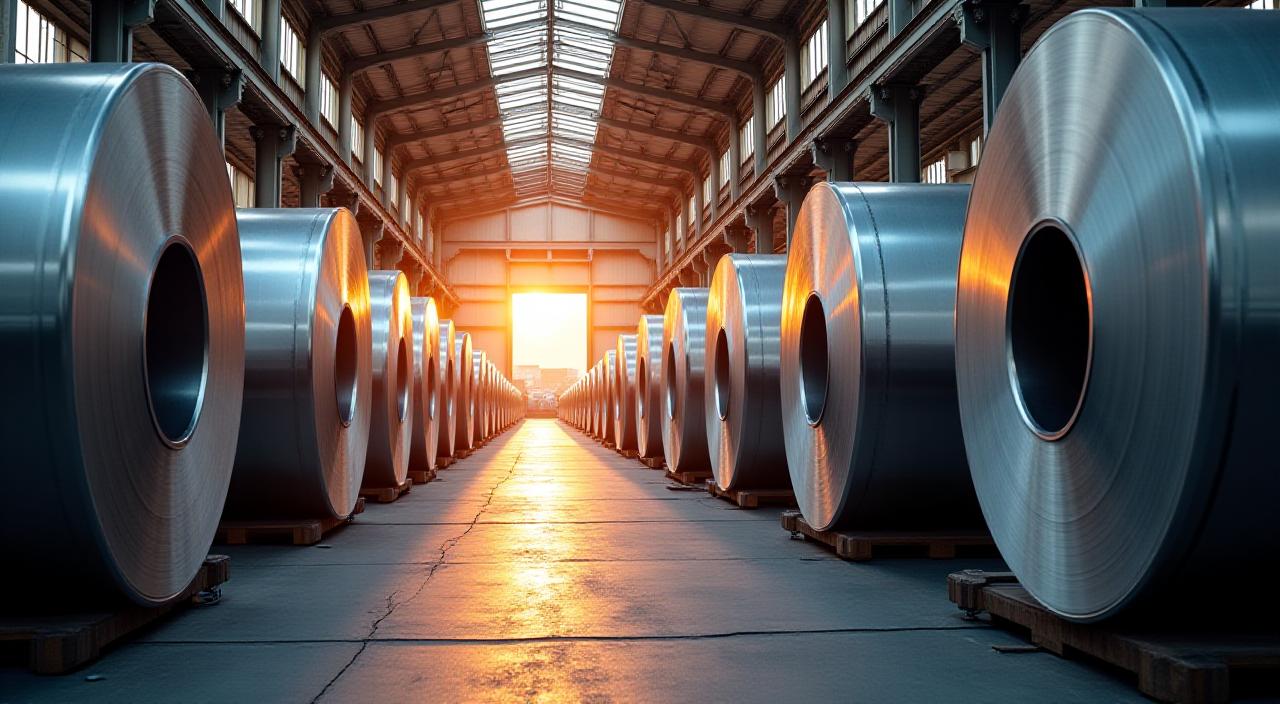
In the volatile world of steel procurement, a contract is more than just a formality; it is your primary defense against supply chain disruption and market volatility. Precision in drafting is not optional—it is foundational. At Ironclad Legal, we see daily how the lack of industry-specific language leads to costly litigation and stalled production lines.
1. Force Majeure: Beyond the Boilerplate
Standard Force Majeure clauses often fail to account for the specific industrial disruptions inherent to the metals sector. For a steel supply contract to be robust, it must explicitly define events such as energy grid failures, furnace breakdowns, and maritime transit strikes. Without these specifics, high-stakes disruptions may fall outside the scope of protection, leaving your business exposed to non-performance penalties.
Key Provision Check:
- Does your clause cover regional energy rationing?
- Is there a clear obligation to mitigate once the disruption occurs?
2. Quality Specifications and Rejection Parameters
ASTM and BS standards are the baseline, but they are often insufficient on their own. Steel quality issues can be subtle—trace element contamination or microscopic surface defects. Your contract must define the exact testing methodology, who bears the cost of independent laboratory verification, and the precise window for rejection upon delivery. Clarity here prevents "accepting the unacceptable" when the metal reaches the fabrication floor.
3. Romalpa Clauses: Asserting Retention of Title
In an industry where material is often processed rapidly, protecting your financial interest against buyer insolvency is critical. Retention of Title (Romalpa) clauses must be drafted with extreme care to ensure that rights extend to the end product or the proceeds of its sale, even after the steel has been manipulated or mixed with other materials.

Conclusion: The Danger of Boilerplate Terms
Generic legal templates are designed for generic products. Steel is a specialized commodity with a complex, globalized risk profile. Utilizing boilerplate terms in this sector is equivalent to using a generic tool for a precision engineering task—it will eventually fail under pressure.
Protect Your Supply Chain Today
Don't wait for a dispute to find the weaknesses in your current agreements. Let Ironclad Legal conduct a comprehensive review of your steel supply contracts.
Request a Contract Review